
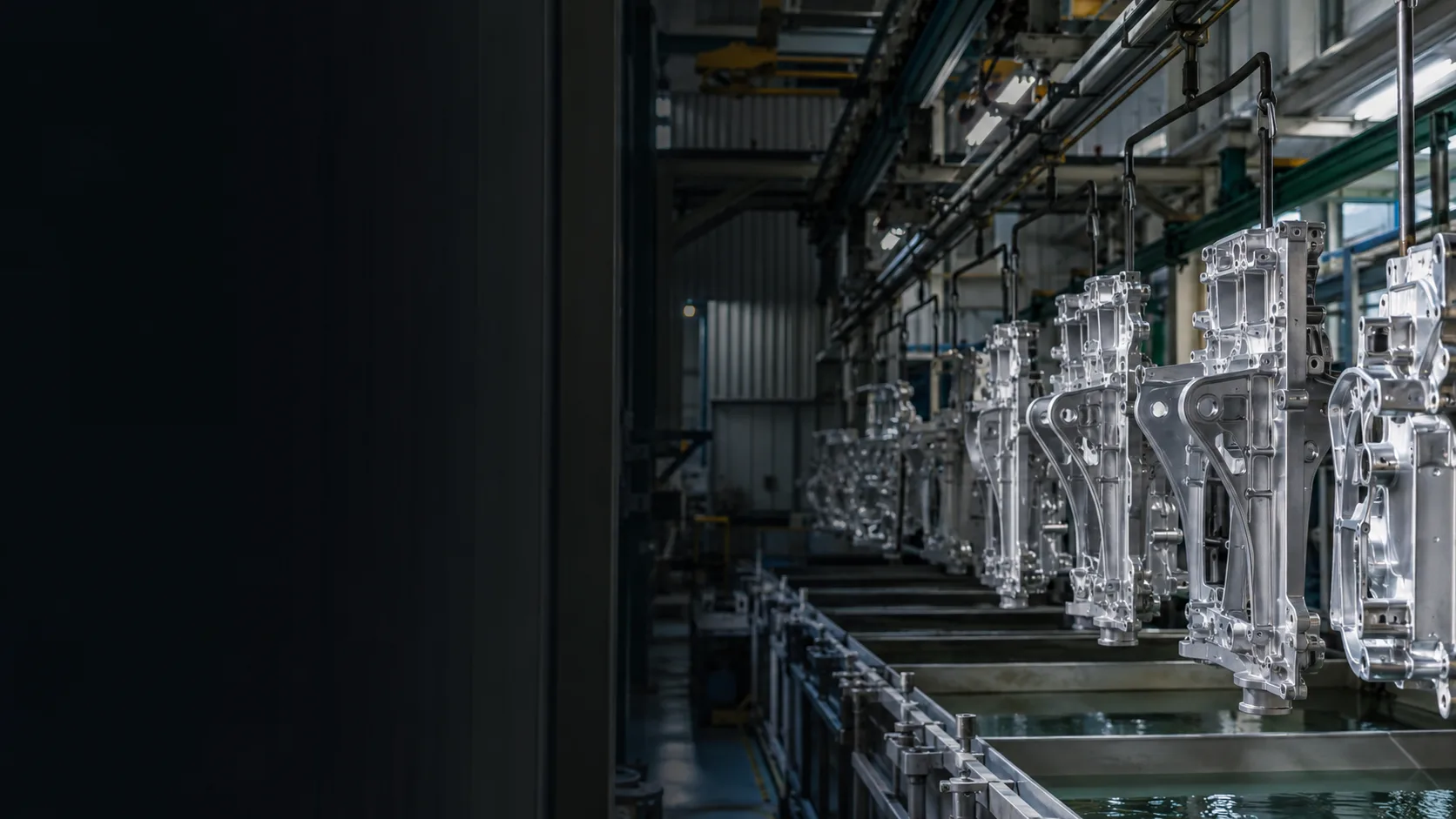
Anodizing of Aluminum
Mastec helps industrial companies with anodizing of aluminum for parts and components where surface, durability, and function are important aspects of the final result. Anodizing gives aluminum a more durable surface and can contribute to better corrosion protection, wear resistance, and a more controlled finish.
Anodizing of Aluminum for Technical Components
Anodizing is a surface treatment method used to strengthen and improve aluminum surfaces. Through the process, a protective oxide layer is created on the aluminum, making the surface more resistant to wear, corrosion, and environmental impact.
For industrial companies, anodizing of aluminum is often important when the component is to be used in environments where both function and appearance matter. This can involve technical parts, profiles, enclosures, brackets, or other aluminum components that require a durable and even surface.
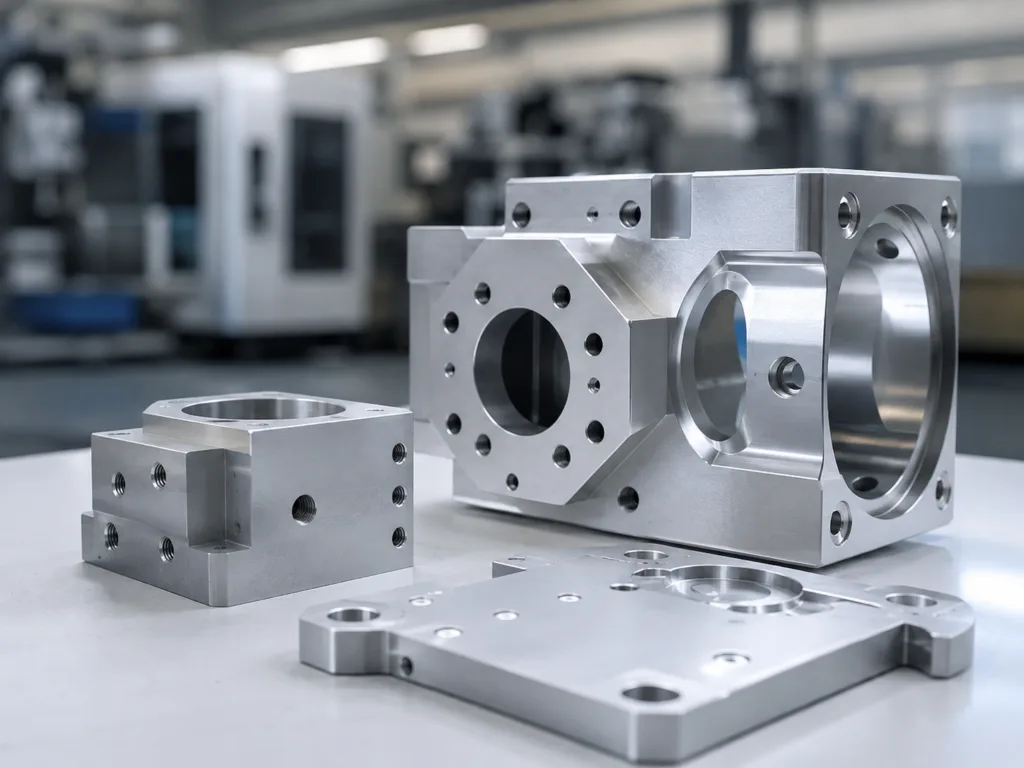
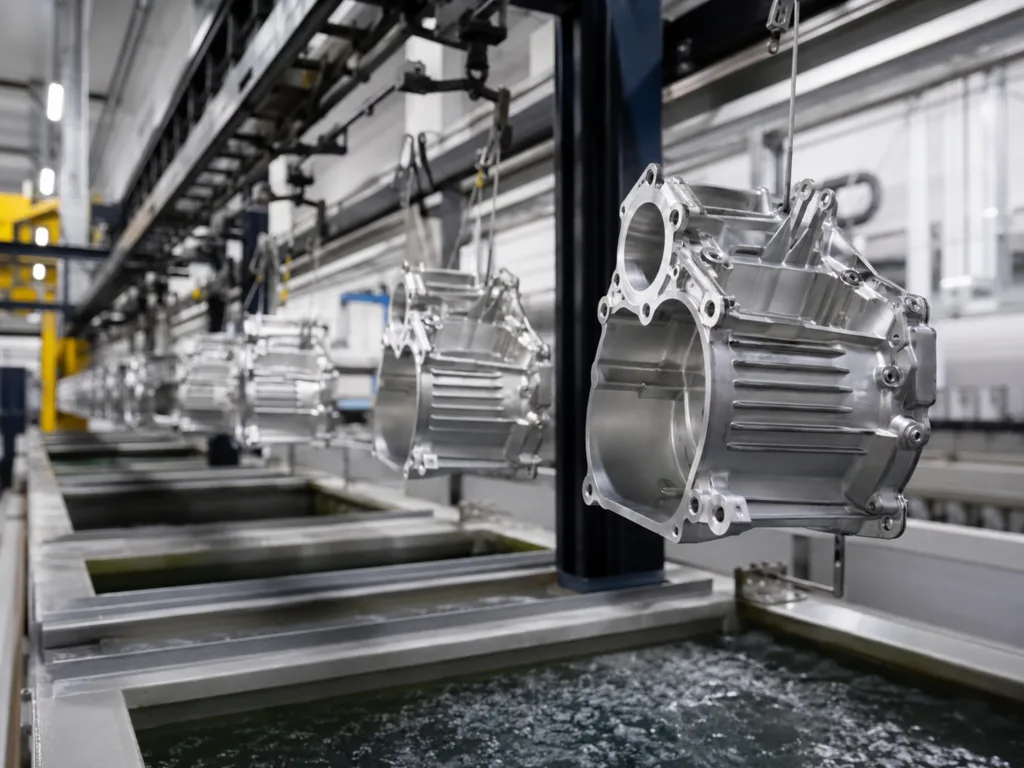
Surface Treatment of Aluminum with the Right Finish and Function
When surface treating aluminum, it is important to choose the right method based on the part’s application. An aluminum part may need protection against corrosion, better wear resistance, or a more uniform surface before assembly or final delivery.
Mastec helps customers find a solution where the surface treatment is adapted to material, requirements, and production. By viewing anodizing as part of the whole, the part can achieve the right properties for its final function.
From Machined Aluminum Part to Finished Surface
For many customers, anodizing is a step that comes after, for example, machining, sheet metal fabrication, or other manufacturing of aluminum parts. Once the component has achieved the right shape and dimensions, the surface treatment can help give the part the right protection and finish.
This means that anodizing of aluminum often needs to be planned together with other production stages. Mastec can help create a more cohesive flow where manufacturing, inspection, and surface treatment are coordinated in an efficient way.
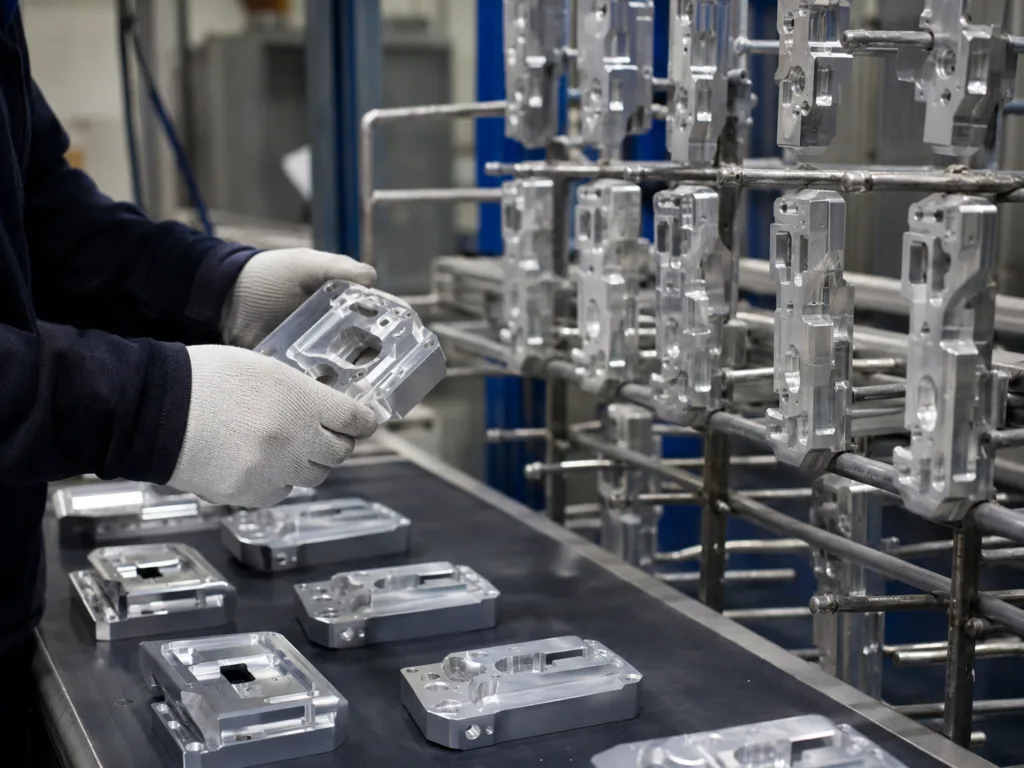
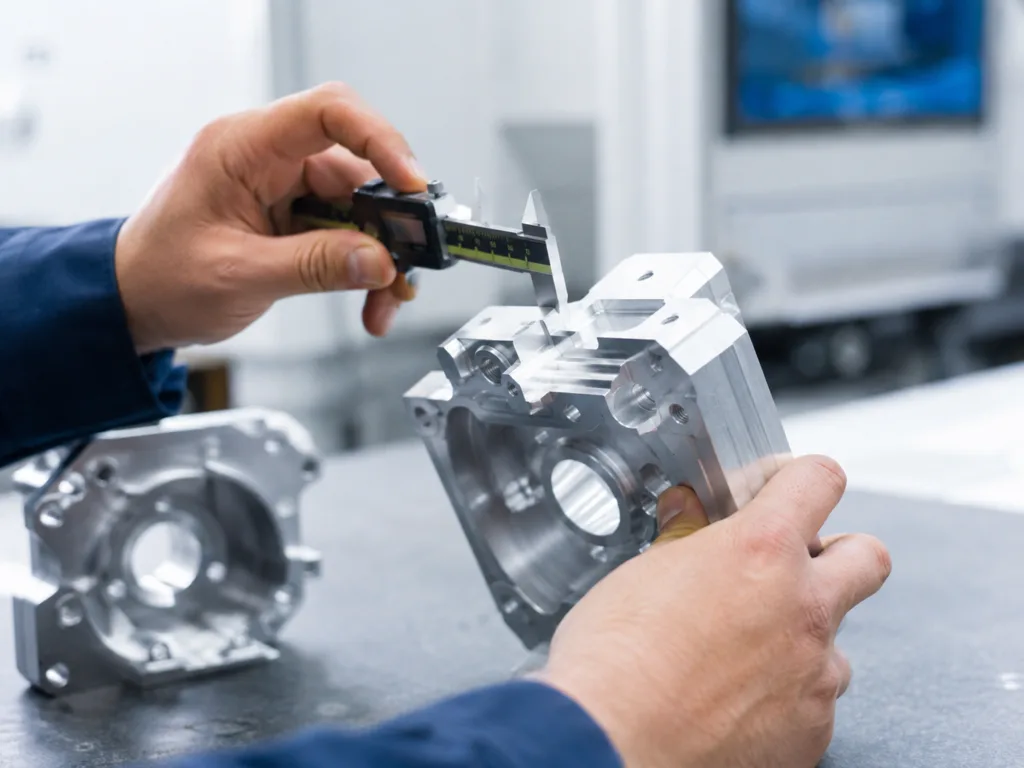
A Reliable Partner for Anodizing and Surface Treatment
When you choose Mastec, you get an industrial partner with an understanding of both materials, production, and quality requirements. We know that aluminum parts often need to meet multiple requirements simultaneously, from dimensional accuracy and function to surface and long-term durability.
Whether the need involves anodizing of a specific aluminum component, recurring production, or a more complete solution, we can help you find an approach that suits the part’s requirements and application.
Do You Need Help with Anodizing of Aluminum?
Do you have an aluminum part, drawing, or production where you need the right surface treatment? We help you find a solution for anodizing of aluminum with a focus on function, quality, and durable surfaces. Contact us and we’ll review needs, materials, requirements, and next steps together.
Frequently Asked Questions About Anodizing of Aluminum
Anodizing is a surface treatment method for aluminum where a protective oxide layer is created on the material’s surface. It can give the aluminum part better protection, increased wear resistance, and a more controlled finish.
Aluminum is often anodized to improve the surface and make the component more durable. This can involve better corrosion protection, higher wear resistance, a more even appearance, or better function in the environment where the part will be used.
Anodizing is well suited for aluminum parts where the surface is important for function, durability, or appearance. This can include, for example, technical components, enclosures, profiles, brackets, or parts to be used in industrial environments.
Hard anodizing is a type of anodizing used when extra high demands are placed on wear resistance and durability. Which method is most suitable depends on the part’s material, application, and technical requirements.
Yes, anodizing can often be combined with other stages such as machining, assembly, inspection, or other surface treatment. This is common when the aluminum part is part of a larger production chain.
Mastec can help with anodizing of aluminum as part of a broader offering in industrial manufacturing and surface treatment. This makes us a reliable partner for customers who want to combine the right surface, quality, and coordinated production.